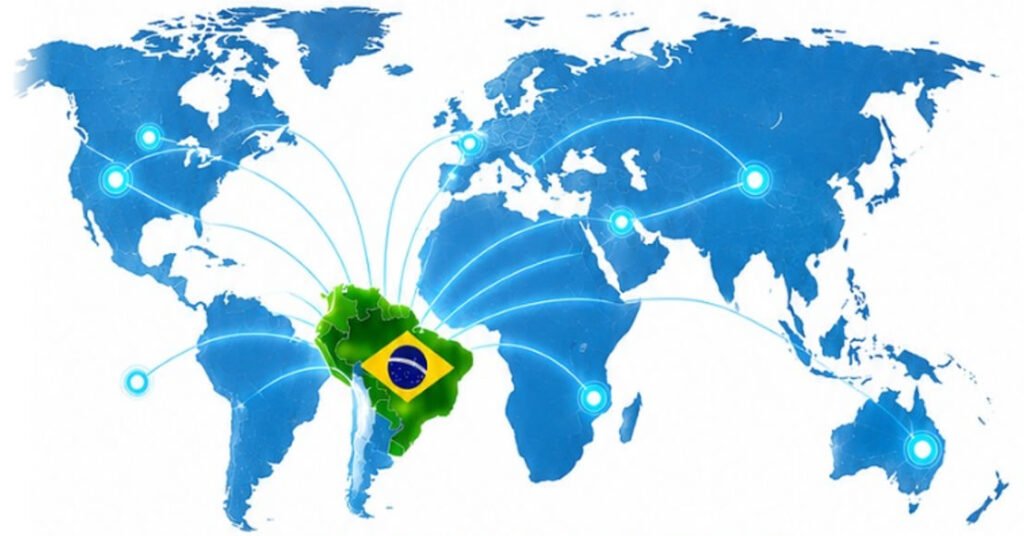
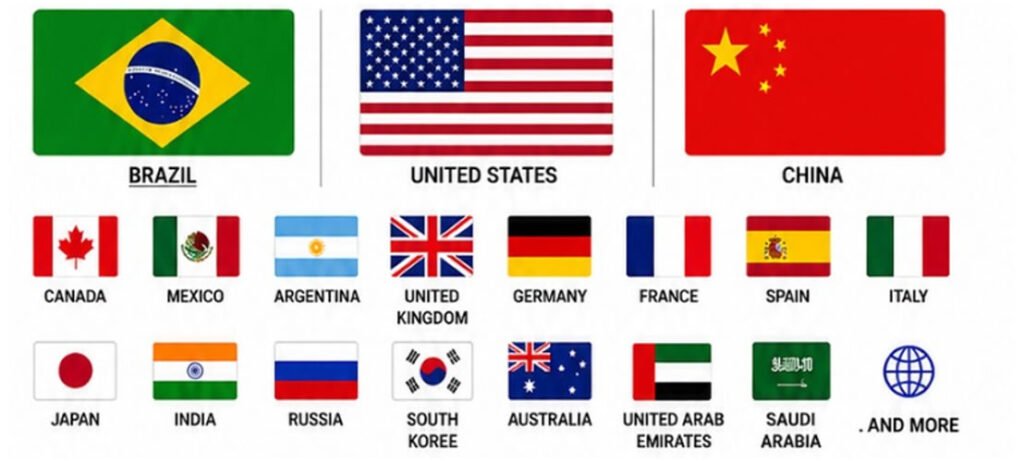

Brazil continues to attract global private equity firms, strategic acquirers, and procurement teams seeking scale, supply-chain depth, and sector diversification. Yet the market rewards only those investors who pair ambition with disciplined verification. For buyers evaluating acquisitions, joint ventures, or vendor onboarding, the real edge is not access alone, but the ability to identify high-risk indicators before capital is committed. In Brazilian transactions, that means treating legal exposure, labor liabilities, and asset verification as core deal drivers rather than closing formalities. The most successful acquirers build protection into the process early, using rigorous on-the-ground checks to ensure that the target’s legal structure, operating footprint, and commercial claims are real, current, and enforceable.
Strategic Opportunity Meets Verification Discipline
The Brazilian market offers compelling opportunities across agribusiness, infrastructure, logistics, energy, retail, healthcare, and technology. However, the same environment can conceal unresolved contingent liabilities, dated corporate records, or inconsistent asset ownership. A target may appear financially attractive while carrying concealed labor claims, environmental exposure, or disputes that do not surface in a high-level data room review. For this reason, proper due diligence is non-negotiable. It is the mechanism that converts market opportunity into defensible investment.
Foreign buyers often underestimate the degree to which local enforcement, court calendars, labor claims, registry practices, and municipal-level compliance can affect enterprise value. A disciplined transaction process must therefore go beyond management presentations and audited financials. It should test the legal integrity of the counterparty, validate the operating entity through CNPJ validation, and assess whether the assets being acquired are free from encumbrances, tax traps, or hidden occupancy issues. The objective is simple: determine whether the business is truly buyable, not merely marketable.
Legal Red Flags That Can Reshape Enterprise Value
One of the clearest high-risk indicators in Brazilian transactions is the existence of unresolved litigation. This includes labor suits, tax execution cases, consumer claims, environmental disputes, and shareholder conflicts. Litigation in Brazil can be extensive and sometimes embedded in ordinary operations, especially where companies have a large workforce, distributed retail presence, or legacy industrial sites. A target with a modest-looking balance sheet may still face material exposure if lawsuits have been poorly provisioned or strategically omitted from disclosure.
Equally important is the quality of the corporate records. Buyers should confirm who actually controls the acquisition target, whether powers of attorney are valid, whether bylaws and quota documents are up to date, and whether prior changes in ownership were properly filed. A mismatch between the commercial narrative and the corporate registry can signal governance instability or even intentional concealment. In a market where related-party arrangements are common, legal verification must be exacting.
Key legal risk indicators include:
- Unreconciled litigation checks showing repetitive labor or tax execution filings
- Inconsistent corporate documents across local registries and management disclosures
- Undisclosed guarantees, sureties, or cross-default obligations
- Use of nominees, informal controllers, or weakly documented shareholder arrangements
- Recent reorganizations intended to transfer liabilities without operational substance
Labor Liability as a Core Transaction Risk
Labor exposure deserves particular scrutiny because it can materially affect both valuation and post-closing cash flow. Brazilian employment law is protective, and labor courts are active. A target may carry legacy claims related to overtime, hazardous work premiums, misclassification of contractors, benefits, or employer succession. In acquisition settings, successor liability can reach beyond the target entity and follow the business into the hands of the buyer if the structure is not carefully designed.
This is especially relevant for procurement teams and platform buyers that rely on outsourced labor, distribution networks, or manufacturing workforces. If the workforce was engaged through third-party providers without proper contractual and compliance controls, the buyer may inherit exposure through recharacterized employment relationships. On-site interviews and document sampling are critical because HR files alone often do not reflect day-to-day labor realities. A site visit can reveal if timekeeping systems, safety practices, and contractor management align with the formal record.
Investors should look for patterns such as high turnover, repeated claims from the same occupational category, or settlements that indicate systemic wage or overtime issues. The deal team should also verify whether union agreements, collective bargaining obligations, and mandatory benefit structures are current and correctly applied. In many transactions, labor liabilities are not a secondary issue; they are the leading indicator of hidden enterprise cost.
On the Ground Verification of Assets and Operations
Financial diligence is only as strong as the physical and legal reality behind it. On-the-ground verification is therefore essential to structuring safe investments in Brazil. This means visiting facilities, checking inventory practices, validating equipment existence, and comparing operational claims with observable conditions. A plant, warehouse, or commercial branch may look active on paper but carry material discrepancies in usage, maintenance, or ownership. Such gaps can affect both price and post-closing integration.
Real estate analysis is particularly important where land, industrial sites, or operating locations are core to the investment thesis. Buyers should confirm title, occupancy rights, leases, easements, zoning compliance, and any mortgage or judicial restriction. If the target’s business depends on a property that is not correctly owned or properly leased, the buyer may acquire a revenue stream without secure control of the underlying asset. That is a classic high-risk indicator that must be addressed before signing.
Relevant operational and property checks include:
- Real estate analysis of title, occupancy, and encumbrances
- Physical confirmation of machinery, stock, and critical equipment
- Review of environmental licenses and local permits
- Validation of branch openings, warehouse addresses, and operating licenses
- Inspection of supplier and subcontractor relationships on site
Fraud Risk Assessment and Counterparty Integrity
Fraud risk should be assessed as a transaction-level issue, not a generic compliance paragraph. In Brazil, red flags can include shell entities, sudden revenue spikes, circular payments, inconsistent tax filings, or counterparties that cannot substantiate their operating history. A robust fraud risk assessment combines financial analytics with local intelligence, registry confirmation, and field verification. This is especially useful when buying privately held businesses where governance may be concentrated in one family or a small management group.
CNPJ validation is a foundational step because it confirms the legal existence, tax status, and registration details of the entity under review. Yet it should never be treated as sufficient alone. It must be paired with checks of tax standing, shareholder continuity, litigation records, and beneficial ownership where available. When management cannot reconcile public records with internal statements, the issue is not clerical; it is a signal that the buyer may be facing hidden risk or incomplete disclosure.
For cross-border acquirers, fraud sensitivity should also extend to intermediaries, brokers, and local partners. Overreliance on a single advisor, heavy dependence on undocumented referrals, or unusual urgency around signing can all indicate elevated transaction risk. Safe investment structures in Brazil depend on skepticism backed by evidence.
Building a Safer Deal Structure
Risk does not disappear through optimism; it is managed through structure. Buyers should combine legal due diligence, labor diligence, tax review, asset verification, and operational site inspections into a single integrated process. Where risks are identified, they should be translated into price adjustments, indemnities, escrow mechanics, holdbacks, closing conditions, or even a decision to walk away. A disciplined bidder understands that the cost of diligence is far lower than the cost of acquiring unresolved exposure.
In practice, the best protection comes from connecting findings across disciplines. A litigation trend may align with labor noncompliance. A real estate discrepancy may support a revenue concern. A weak CNPJ history may corroborate fraud concerns or nominee structures. When these signals are read together, the buyer gains a realistic picture of post-closing burden and can negotiate accordingly. That is the essence of responsible M&A execution in Brazil: verify first, structure second, and close only when the risk is understood.
For global private equity firms, foreign investors, procurement leaders, and M&A buyers, the message is direct: Brazilian transactions reward those who insist on corporate verification, documentary consistency, and field-level confirmation. Safe capital deployment comes from rigorous checks, not assumptions, and the most durable deals are those where every material claim has been tested against legal records, labor realities, and physical evidence before the purchase is signed.